
The early days of parenthood feel like navigating a complex new map. But there is a compass, and it only points in two directions: a baby’s cry signaling some form of distress, and the calm of sleep suggesting all is well.
Parents tirelessly invest in round-the-clock tasks and follow recommended procedures, hoping day-by-day for some deeper form of feedback.
The eagerly awaited first smile is one example. It’s anticipated as a sign that baby is doing well and engaging positively with the world around them. As if it say, “Thanks, you’re doing alright. I like you.”
When it does come, it’s truly a warming sight. But this celebrated smile is not really what it seems.
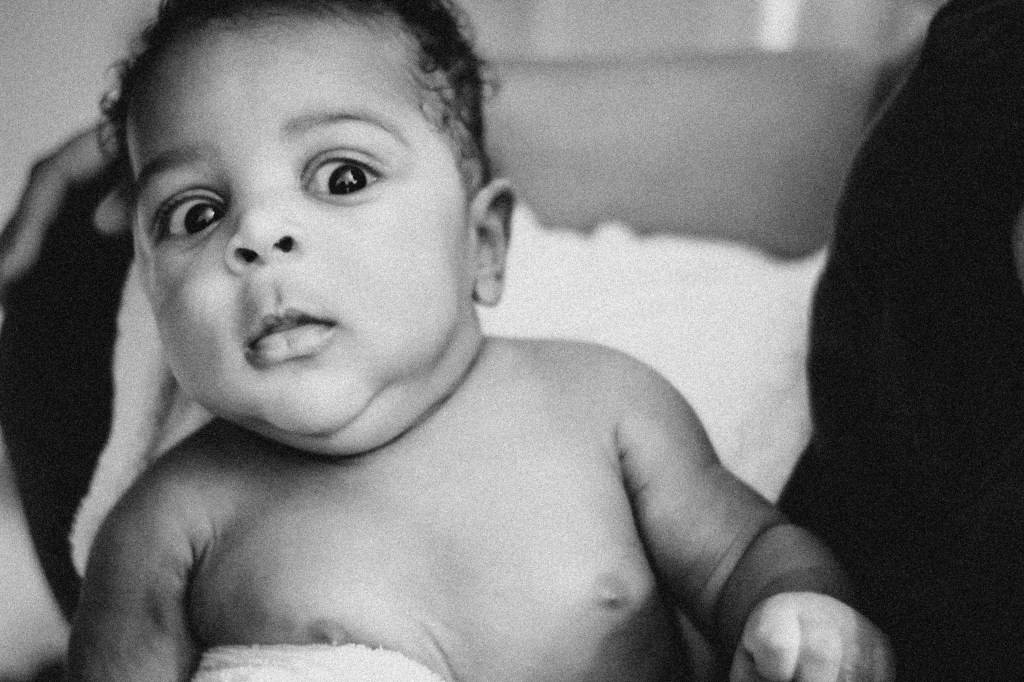
Contrary to what you might expect, baby’s first smile has nothing to do with you forming a new loving bond. It’s most probably the byproduct of the baby dropping a massive poop.
This might deflate some romantic notions. It certainly did mine, and it cracked me up. Yet this natural and involuntary response is still a great sign for parents. It marks an important step in the livelong journey of understanding and communication.
This reminds me of our tendency to interpret actions through lens of hopes and expectations rather than reality. We often read into others’ expressions and gestures through our biased perspectives, whether in our relationships, at work, or with strangers.
The problem is, we can infer something that is not there at all, potentially leading to miscommunication and misunderstanding. But we still do it, trying to somehow make sense of the world around us.
As we navigate our relationships, both private and public, a baby’s first smile reminds us to be aware of our interpretative biases for more meaningful connections.
Photo by Janay Peters on Unsplash
 Crib Notes